Ohio's rules were rewritten in 2026. Voters passed the adult-use law. Then the legislature passed SB 56, which took effect on March 20, 2026 and changed it. The headline for anyone who wants a store: dispensaries are now capped at 400 statewide, and no general application round is open. If you are working from an article written before that date, put it down.
Where the law stands in Ohio
Adult-use cannabis is legal. The regulator is the Ohio Division of Cannabis Control, part of the Department of Commerce. According to the state record we use, SB 56 did four things that matter to a retailer:
- It set a cap of 400 dispensaries statewide.
- It introduced THC potency limits.
- It added new criminal penalties.
- It banned intoxicating hemp.
The record does not list the potency numbers, the penalties in detail, or how many of the 400 places are taken. Confirm those with the Division of Cannabis Control. This guide is general information as of November 2026, not legal or financial advice.
What a hard cap changes
A cap written into statute means the number of stores is set by lawmakers, not by demand. With no general round open, you cannot apply your way in today. Whether and when the Division will take new applications under the cap is a question only the Division can answer.
For a new owner this narrows the options to two that can be acted on now: buy a store that is already licensed, or work with someone who holds a licence. A third option is to prepare for a future round without relying on it.
What SB 56 means on the shop floor
The cap gets the attention, but the other changes affect how a store runs day to day.
- Potency limits change the menu. Products outside the limits cannot be sold. Buying, labelling checks and staff training all have to reflect the current limits.
- Intoxicating hemp is banned. A licensed store should have no doubt about what is and is not allowed on its shelves. In general, a ban like this also changes what unlicensed competitors nearby can sell.
- New criminal penalties raise the stakes. Compliance mistakes that were once an administrative problem deserve a second look. Have a lawyer read the current statute before you write your procedures.
Any store you are thinking of buying should already be operating under these rules. Ask to see how its procedures changed after March 20, 2026. If nothing changed, that tells you something.
Local control in Ohio
Ohio gives local governments a say. In general terms, that means a municipality or township can prohibit or limit cannabis retail and set zoning and distance rules for stores it allows. A state licence does not force a town to accept a store.
Before you commit to an address, or to a purchase that involves moving a store, confirm the local position in writing with the municipality.
The realistic paths in
Buy a licensed store. Under a cap, this is the main door. A change of ownership needs the Division's approval, so the deal should be conditional on it. Check the licence's standing, its compliance history, its inventory records and its lease. Our regulatory due diligence covers this, and our acquisitions team can help you find and assess stores.
Franchise with a licence. A franchise does not create a place under the cap. If you hold an Ohio licence or are buying a store, a franchise in Ohio gives you a brand, an operating system and training built for regulated retail. That matters more after a law change, when every procedure has to be checked again.
Prepare for a future round. Keep your funding, team and target towns ready. Do not sign a lease or spend heavily on the expectation of a round that has not been announced.
Own elsewhere. If Ohio is closed to you for now, a store in another state is a legitimate route. See out-of-state ownership.
What to prepare
- Background and financial disclosures for every owner.
- Documented source of funds for a purchase.
- A lawyer who knows Ohio cannabis law as it stands after SB 56.
- A purchase checklist: licence, lease, local approval, inventory, staff, tax filings.
- Operating procedures that match the current potency and product rules.
- A banking plan. Cannabis is still illegal under federal law, and many banks will not open the account.
Common mistakes in Ohio
- Planning from the voter-passed law as if SB 56 never happened.
- Paying for an "application package" when no general round is open.
- Buying a store without making the deal conditional on regulator approval.
- Valuing a store on sales made before the potency limits and the hemp ban applied.
- Assuming a licence can be moved to a new town without local consent.
- Treating compliance as paperwork after the penalties changed.
Where Modern Day Cannabis fits
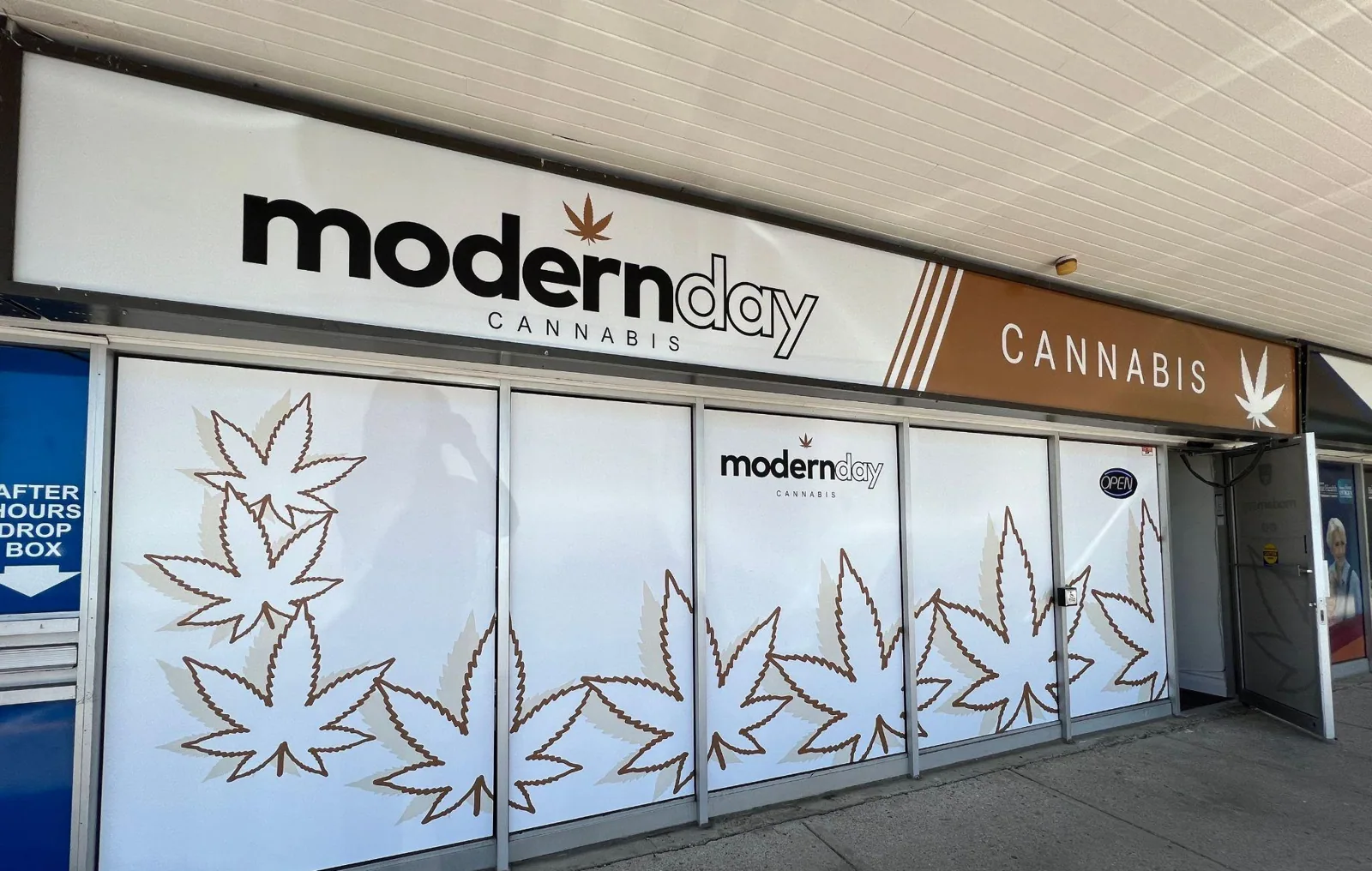
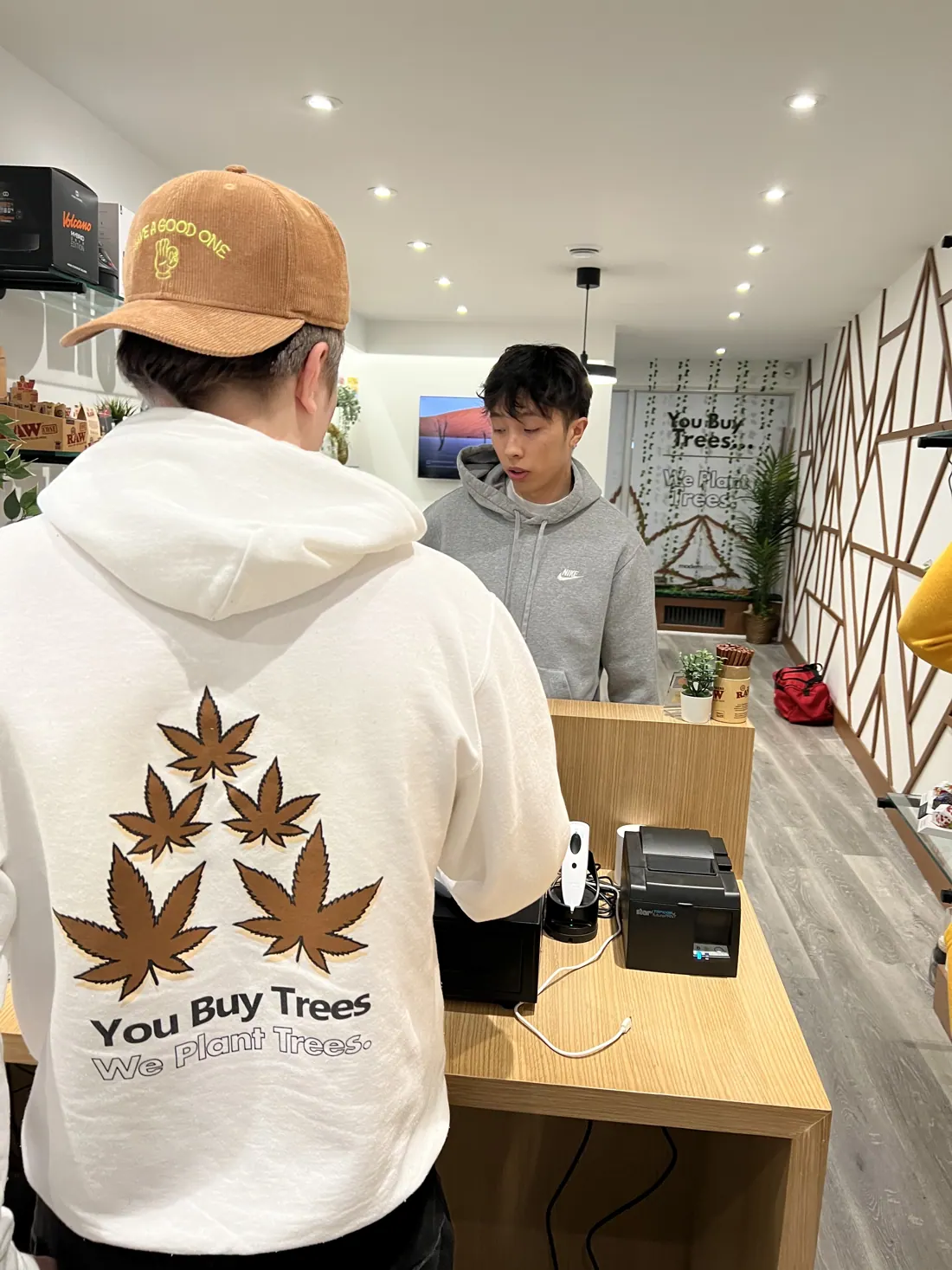
Modern Day Cannabis runs licensed cannabis stores and helps other owners open and buy theirs. In Ohio, that mostly means helping buyers assess stores and helping licence holders bring their operations in line with the current law. We do not promise approvals. Our Ohio consulting team will give you a plain answer on what is possible under the cap.
General information as of November 2026, not legal or financial advice. Cannabis rules differ by state and province and change often.