You cannot apply for a new retail cannabis licence in Washington State the ordinary way. Retail licences are capped statewide, there is no general application window, and the only new licences are issued through the state's social equity programme. So opening a dispensary in Washington State comes down to two routes: qualify for that programme, or buy a store that already holds a licence.
This guide covers what the cap means in practice, the order to do the work in, and what to have ready before you speak to a seller, a landlord or the regulator.
Where the law stands in Washington
Adult-use cannabis is legal in Washington. The regulator is the Washington State Liquor and Cannabis Board. The state record we work from says three things about retail: licences are capped statewide, there is no general application window, and new licences come only through the social equity programme. It also flags Washington as a state where local governments have a say over cannabis retail.
The record is silent on a lot. It does not give the number of licences under the cap, the definition of a social equity applicant, when the programme will next take applications, the fees, or any rules on who may own a store. Each of those is a question for the Liquor and Cannabis Board. Get the answers from the Board itself, not from a seller or a broker.
This is general information as of November 2026. It is not legal or financial advice.
What a statewide cap means for a new owner
In a state with open licensing, the question is whether you can qualify. In a capped state, the question is where a licence will come from. In Washington the record gives two sources: a new licence issued through the social equity programme, or an existing licence that changes hands.
That shapes everything else.
- Licences are scarce. A seller knows the buyer cannot simply apply for one. Expect that to show up in the asking price.
- The seller's history becomes yours. You are taking on a licence with a compliance record, a lease and a location. Problems in any of those come with it.
- Timing is not in your hands. You wait for a store to come up for sale or for the programme to open. You cannot force either.
- New competition is limited too. A cap that keeps you out also keeps the next operator out once you are in. The record does not say how licences are spread across the state, so ask the Board how the cap applies in the area you are looking at.
The social equity route
This is the only source of new retail licences named in the record. Whether it is open to you depends on the Board's definition of a social equity applicant, which the record does not set out. Read that definition first. Do not rely on a summary.
If you qualify, the work before an application round is the same work that decides whether a licence turns into an open store:
- Form the entity and settle who owns what. Every owner should expect a background and financial review.
- Collect the records that prove eligibility. Old documents can take weeks to obtain.
- Line up the money for build-out and the first months of trading. See cannabis financing for how owners fund stores when banks will not lend.
- Shortlist cities and counties that allow retail, and learn their zoning.
If you do not qualify, do not try to hold a licence through someone who does. Regulators examine who really owns and controls a business. A hidden arrangement can cost the licence and all the money behind it. If the rules allow outside investment in an equity licence, do it in the open, with a Washington cannabis lawyer drafting the papers and the Board seeing all of it.
Buying a store that already has a licence
For most people reading this, a purchase is the realistic route. It is also the one with the most ways to lose money. Work in this order.
- Ask the Board first. Confirm how a change of ownership is approved, how long it tends to take, and whether any rule limits who can own a Washington retailer. The record does not cover this.
- Get the numbers under a confidentiality agreement. Sales, margins, payroll, rent and tax filings, for as far back as the store has them.
- Check the licence itself. Violations, warnings, open investigations, and anything that restricts a transfer.
- Check the inventory. What is on the shelf should match the state tracking records. Gaps are a warning.
- Read the lease. Cannabis use must be permitted in writing, and the landlord must consent to the new owner.
- Make the deal conditional. No money should become non-refundable until the Board and the local government have approved the new owner.
Our guide to buying an existing cannabis store walks through the process, and the due diligence checklist lists the documents to ask for.
Local control and what it does to site choice
The record flags Washington as a local control state. In plain terms, a city or county can limit cannabis retail inside its borders, and in many states with local control it can refuse it altogether. On top of that sit ordinary zoning and distance rules from places such as schools.
For a buyer, this cuts two ways. An existing store already has its local standing, which is part of what you are paying for. But that standing belongs to that address. If you plan to move the store to a better corner, ask the city planning office and the Board what a relocation needs before you price the deal as if the move were certain.
For a social equity applicant, choose the jurisdiction before the building. A good unit in a city that does not allow retail is no use. Our real estate sourcing team checks the local rules before any lease is discussed.
The order of work
Whichever route you take, the steps run in roughly the same order. Skipping ahead is how owners end up paying rent on a store they cannot open.
- Entity. Form the company and document ownership. Regulators want to see every person with a stake.
- Capital. Know the source of the funds and be able to prove it. Federal law keeps most banks out of cannabis lending.
- Site. For a purchase, this is the seller's site. For a new licence, a location in a jurisdiction that allows retail, with the landlord's written consent.
- Local approval. Whatever the city or county requires, from zoning sign-off to a business licence.
- Application. A social equity application or a change of ownership filing with the Board.
- Build-out. Security, storage, sales floor and back of house to the standard the rules set. A purchase may need only upgrades.
- Inspection. Expect the regulator to see the premises before you trade under your name.
- Opening. Staff trained, tracking system live, procedures written and followed.
What to prepare before you call anyone
- A one-page summary of who the owners are and where the money comes from.
- Personal financial statements and identification for each owner.
- A decision on route: equity application or purchase. They need different advisers and different timelines.
- A list of the cities or counties you would operate in, with their cannabis rules read.
- A draft budget covering the purchase or build-out, working capital and a slow first year.
- A list of questions for the Liquor and Cannabis Board, written down, so you get answers you can keep.
Sellers and landlords take a prepared buyer more seriously. So do regulators.
Owning a Washington store from another state
Many of our readers live somewhere else and want to own in a legal market. The record does not say whether Washington limits ownership to residents or sets any time-in-state requirement. Some states have had such rules. Confirm the current position with the Liquor and Cannabis Board before you spend money on a deal.
If outside ownership is permitted, the model is the same as anywhere: a strong general manager on site, written procedures, daily reporting you can read from home, and regular visits. If it is not, look at states that take applications from non-residents. Our guide to out-of-state ownership explains how that works.
Common questions
Can I apply for a dispensary licence in Washington State right now?
Not through a general application. The state record says retail licences are capped and there is no general application window. New licences are issued only through the social equity programme, so check with the Liquor and Cannabis Board whether that programme is taking applications.
How many dispensary licences does Washington allow?
The record confirms a statewide cap but does not give the number. The Washington State Liquor and Cannabis Board is the place to confirm it, along with how the cap applies where you want to open.
Can I buy an existing dispensary in Washington?
Buying a licensed store is the usual way into a capped state. A change of ownership needs the regulator's approval, and the record does not describe Washington's process or any limits on who can buy. Ask the Board before signing anything binding.
Who qualifies for Washington's social equity programme?
The record does not define it. The Board sets out the criteria. Read them in full and gather proof before you assume you are in or out.
Does a cannabis franchise come with a Washington licence?
No. A franchise gives you a brand, a store design, operating procedures, training and marketing support. The licence comes from the state, either through the equity programme or by buying a licensed store.
Where Modern Day Cannabis fits
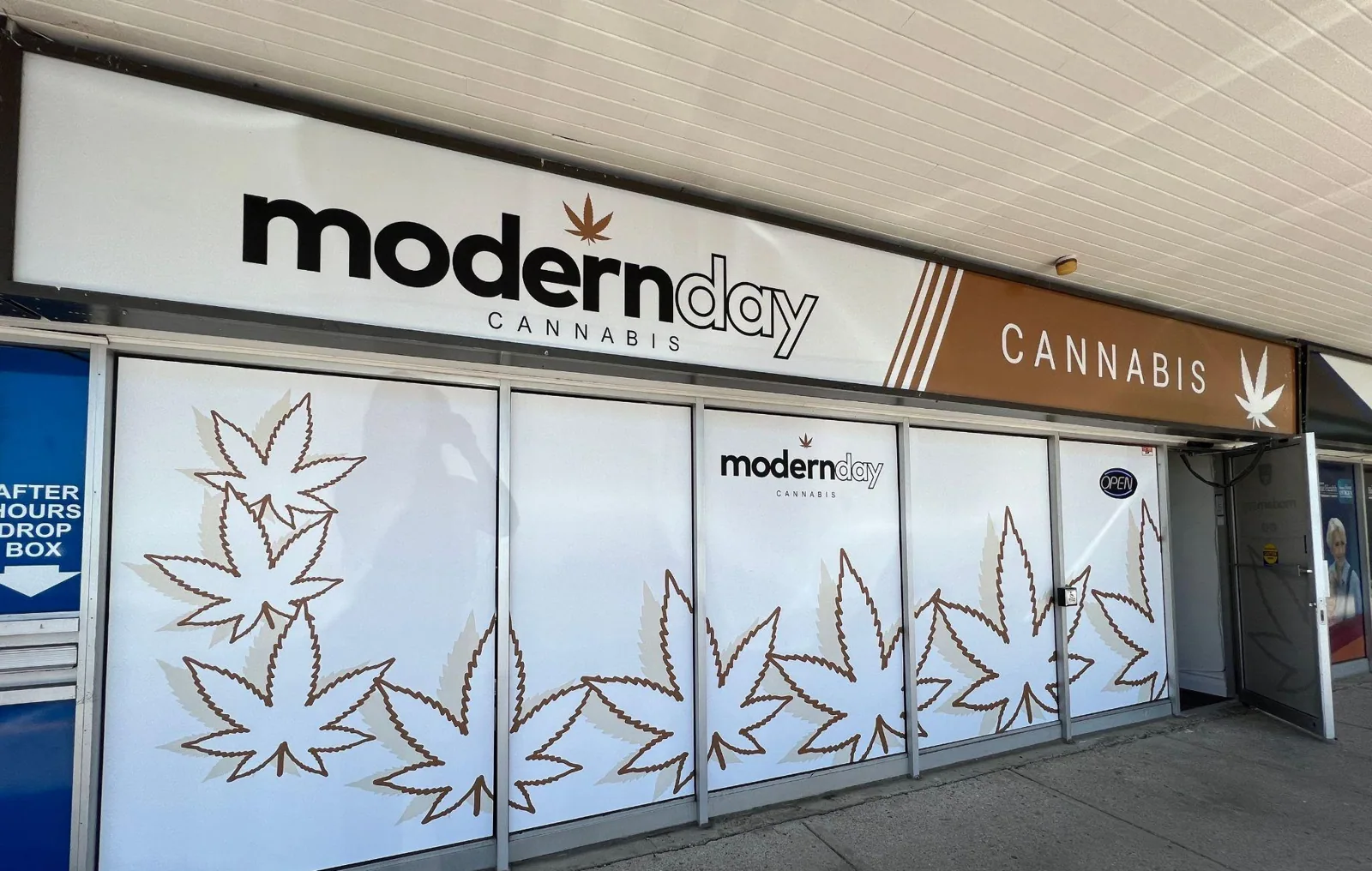
Modern Day Cannabis runs licensed cannabis stores and helps other owners open theirs. In Washington that mostly means two jobs: helping a buyer assess a licensed store and get through a change of ownership, and helping a social equity licence holder build and open. A franchise in Washington suits an owner who has a licence, or a store under contract, and wants to run it on a tested system.
We do not promise licences or approvals. If you want a straight read on your options, send the short form on this page with where you live, which route you are considering and your timeline. Our Washington consulting team will reply with next steps.
General information as of November 2026, not legal or financial advice. Cannabis rules differ by state and province and change often.