
On November 3, 2026, Massachusetts voters were asked whether to repeal adult-use cannabis sales. They said no, with about three in four voting against repeal. For a year, anyone thinking of opening a store in Massachusetts had that question hanging over the plan. It is settled. Adult-use retail stays, and applications are open.
Where the law stands in Massachusetts
Adult-use cannabis is legal. The regulator is the Massachusetts Cannabis Control Commission. Applications are open with no statewide cap. Each applicant needs a host community agreement, and municipalities can ban or limit retailers.
Two things changed in 2026, according to the state record we use:
- Question 8 was rejected on November 3, 2026, so adult-use sales continue.
- An April 2026 law doubled the possession limit and cut the Commission to three members.
The record does not say how the smaller Commission affects processing times. If timing matters to your lease or your funding, ask the Cannabis Control Commission what to expect.
This guide is general information as of November 2026, not legal or financial advice.
The host community agreement is the real gate
With no state cap, the limit on stores in Massachusetts is local. You cannot be licensed without a host community agreement, which is a signed agreement between you and the city or town where the store will operate.
That puts the municipality in a strong position. It decides whether it wants a store, how many, and whether it wants yours. Work on the agreement before anything else.
- Find out if the town is open. Some ban retail. Some limit the number of retailers, and the places may be taken.
- Learn the town's process. Who negotiates agreements, what they ask for, how long it takes.
- Read the terms closely. Have a lawyer check what you are committing to, and ask the Commission what such an agreement may and may not contain.
- Meet the neighbours. Local support, or the lack of it, tends to decide close calls.
What local control means here
Local control in Massachusetts has three layers: whether retail is allowed, how many retailers, and where. Zoning and distance rules sit under all three. A town can be open to cannabis and still have only a few blocks where a store can go.
Get the zoning map and the local bylaw or ordinance. Confirm the address with the planning office before you sign a lease.
The realistic paths in
Your own licence. This is a real option here because the state does not cap licences. The sequence is town, site, host community agreement, then the state application. Our licence application service follows that order.
A franchise. You go through the same approvals. What changes is what you put in front of the town: a brand with operating stores, written procedures and a training programme. Towns want to know the store will be run properly, and a first-time owner can show that more easily with a system behind them. See franchising in Massachusetts.
Buying a licensed store. In towns where the places are taken, a purchase is the way in. A change of ownership needs the Commission's approval. Check, too, whether the host community agreement carries over to a new owner or has to be agreed again with the town. Make the deal conditional on both.
Build the store for the inspection
Open applications do not mean a light process. Expect the regulator to inspect the finished store before you can sell. Design for that from the first drawing: camera coverage, secure storage, limited access areas, a point of sale tied to the state tracking system, and a layout that makes ID checks unavoidable. Our build-out consulting team plans stores around the inspection.
What to prepare
- Disclosures for every owner and anyone with control.
- Documented funds. Federal law still treats cannabis as illegal, so bank loans are uncommon.
- A site with landlord consent and a lease conditional on the licence.
- A community presentation and a draft of what you can offer the town.
- A security plan, operating procedures and a staffing plan.
- A financial model that reflects the federal limit on tax deductions for cannabis retailers.
Common mistakes in Massachusetts
- Filing with the state before the town is on side.
- Signing a host community agreement without legal review.
- Assuming a town with no ban has room for another retailer.
- Planning around old processing times after the Commission was reduced to three members.
- Buying a store and discovering the local agreement does not transfer.
- Holding back for a year because of the repeal question, then rushing the site search now.
Where Modern Day Cannabis fits
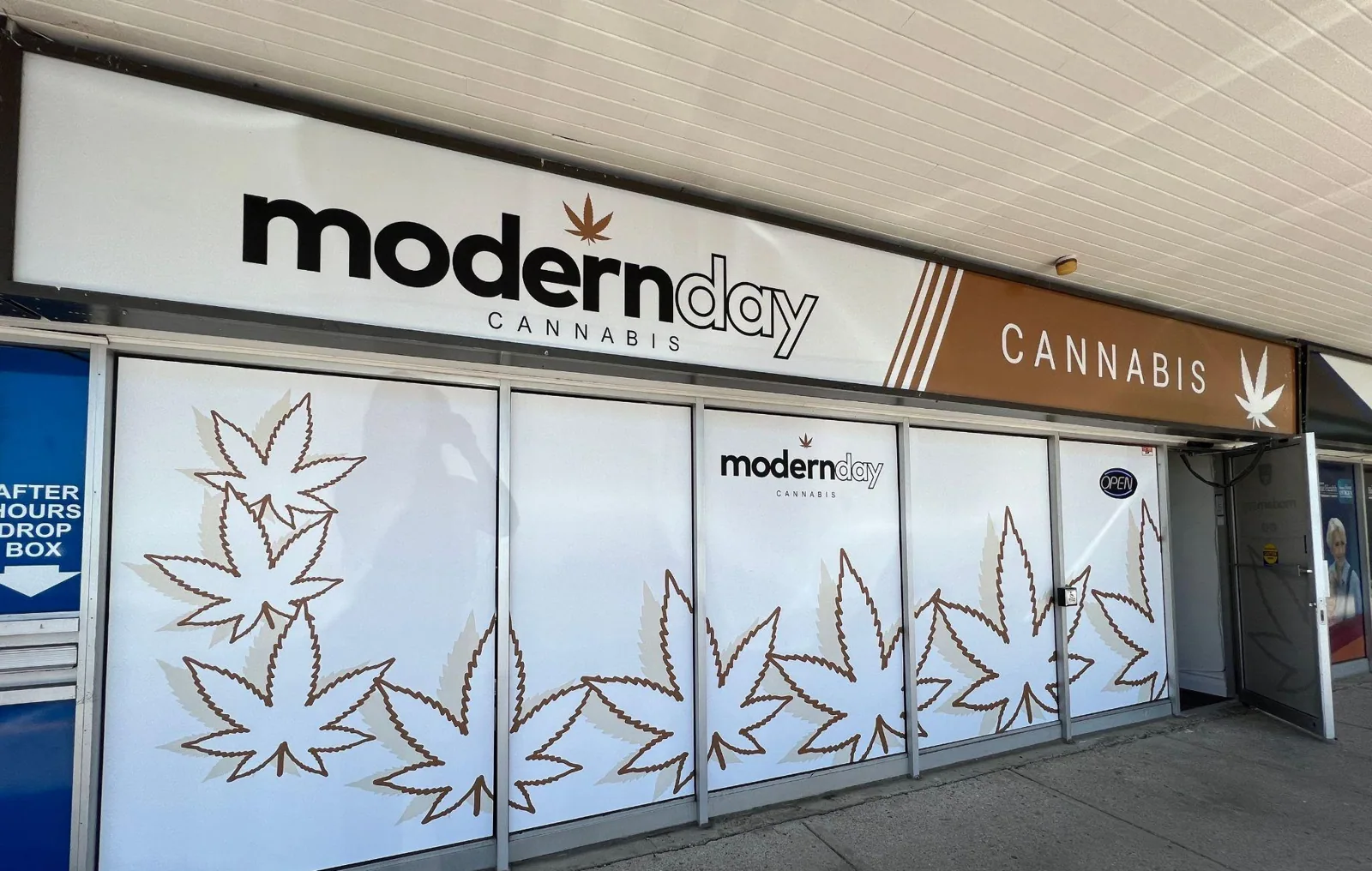
Modern Day Cannabis runs licensed cannabis stores and helps other owners open theirs. In Massachusetts we help with town selection, the site, the application, the build-out and the compliance programme, or with assessing a store for sale. We do not promise approvals. Our Massachusetts consulting team can tell you whether a town is worth pursuing.
General information as of November 2026, not legal or financial advice. Cannabis rules differ by state and province and change often.