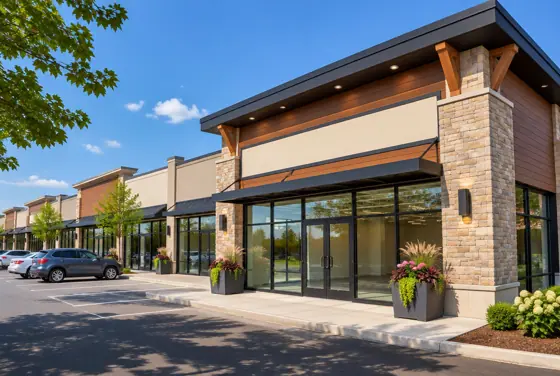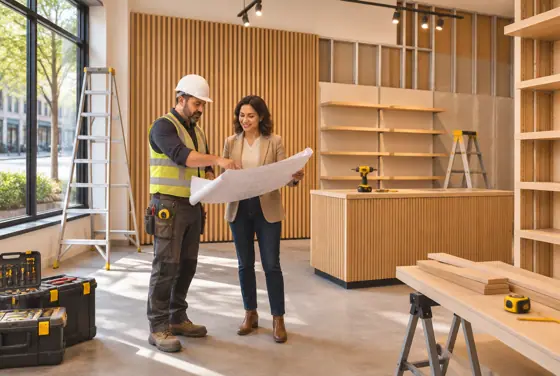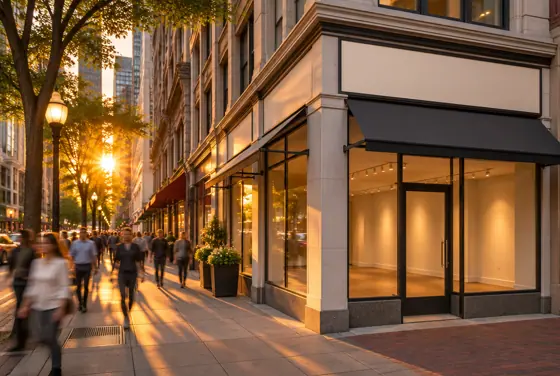
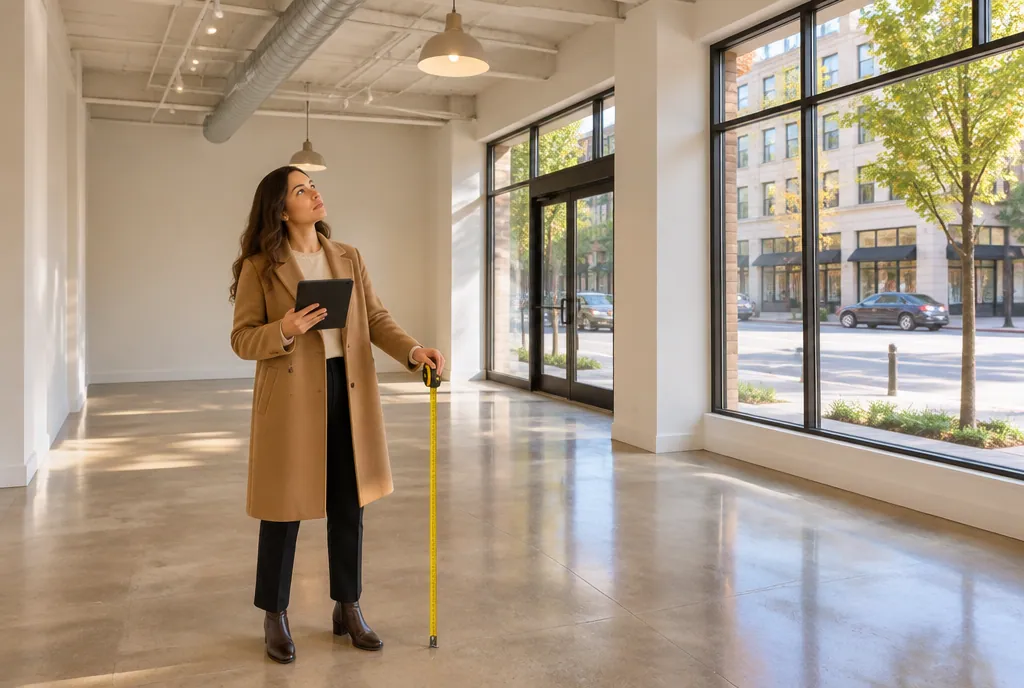
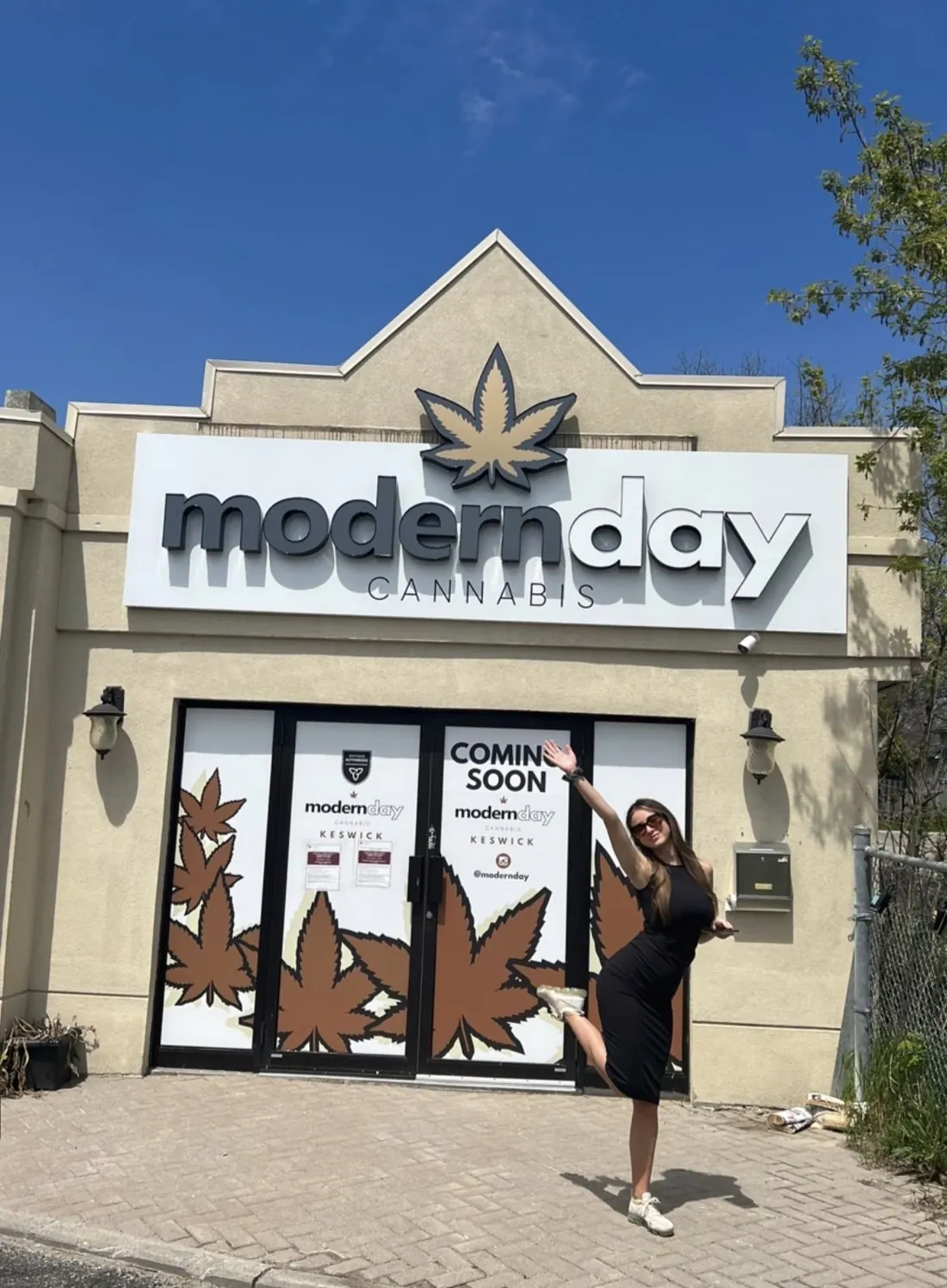
A cannabis store location has to pass two tests. It has to be legal, and it has to be good. Most sites fail the first test, which is why real estate is where new owners lose the most time.
Test one: can the address be licensed?
- Zoning. Is cannabis retail a permitted or conditional use in this zone?
- Buffers. How far is it from schools, parks, daycares, places of worship and, in some cities, other cannabis stores? Measure the way the rule measures: door to door or lot line to lot line.
- Local caps. Has the city limited the number of stores, and are any slots left?
- The landlord. Will the owner sign a cannabis-specific consent, and does their mortgage allow it?
Check all four before you negotiate. A beautiful corner unit that fails a buffer by a few feet is worth nothing to you.
Test two: will the store do well there?
- Visibility and access. Can people see the store and get into the parking lot easily?
- Who is nearby. Residents, commuters, visitors and neighbouring businesses that share your customers.
- Competition. How many licensed stores already serve the same streets?
- Size and layout. Enough room for a sales floor, secure storage and a compliant receiving area, without paying for space you cannot use.
Lease terms that protect you
- A licence contingency, so you can exit if the application is denied.
- A rent start tied to licensing or opening, not signing.
- Clear permission for security equipment and signage.
- Renewal options long enough to justify the build-out.
Order of operations
Shortlist by the rules first, then by the retail fundamentals, then negotiate. Doing it in that order is the single biggest time saver in the whole project.
Help with the search
Our real estate sourcing service screens sites against zoning and distance rules, handles landlord conversations and reviews the lease before you sign.
General information as of November 2026, not legal or financial advice. Cannabis rules differ by state and province and change often.