The honest answer is that it depends on where you open, and the range is wide. In a market with open licensing and a ready site, a store can come together in months. In a capped state with a competitive round, it takes longer, and some applicants wait through more than one round. What you can control is the order you do things in. This guide walks through the phases and what slows each one down. This guide is general information as of November 2026. It is not legal or financial advice.
Why there is no single number
Three things set the pace, and none of them is construction. The first is how the regulator issues licences: on a rolling basis, in application windows, or by lottery or scoring. The second is how the city handles local approval. The third is how long it takes to find a landlord who will sign.
Anyone who gives you a firm opening date before those three are known is guessing. Plan with ranges, and budget for the long end.
Phase one: research and planning
This phase takes weeks if you are focused. You confirm that stores are allowed where you want to open, learn how licences are awarded, choose between going independent, a franchise or buying a store, and build the budget.
What stretches it: changing markets halfway through, raising money from investors who each need their own background disclosure, and waiting for an application window to be announced. A finished business plan shortens every later phase, because the regulator, the landlord and the lender all ask for the same information.
Phase two: the site
Finding a site that passes zoning and distance rules, with an owner who agrees to cannabis use, takes weeks in a friendly city and months in a tight one. Most addresses fail before you ever speak to the landlord.
What stretches it:
- A narrow band of permitted zones, most of it already taken.
- Landlords who need their lender's consent, or who say yes and then change their mind.
- Lease negotiations over licence conditions and when rent starts.
- A competitor filing first on a nearby address where stores must be spaced apart.
In many jurisdictions you need control of a site before you can apply, so this phase is paid for with rent or option payments while you wait. Real estate sourcing is where experienced help saves the most time.
Phase three: the licence queue and local approval
This is the phase you control least. Where licensing is open, a complete application moves through review in a matter of months. Where licences are capped, you wait for a window, then for scoring or a lottery, then sometimes for appeals by applicants who lost. That is why timelines run longer in capped states.
What stretches it on your side: missing documents, ownership disclosures that do not match, owners who are slow with fingerprints or financial records, and security plans that do not fit the floor plan. A regulator that sends a deficiency notice stops your clock until you answer it. Careful licence application work removes the delays that are in your hands.
Many cities run their own process alongside the state or provincial one. It may be a business licence, a conditional use permit, a public hearing or a letter confirming local support. Hearings run on the council's calendar, not yours. A missed agenda can cost a month. Neighbour objections can cost more.
Find out early whether local approval comes before, during or after the main application. Getting the order wrong is a common and avoidable delay.
Phase four: build-out
Construction itself is usually a matter of weeks to a few months for a retail unit. The waiting is in what surrounds it: building permits, the landlord's approval of drawings, long delivery times on vaults, cameras and millwork, and contractors who have not built a cannabis store before.
The costly mistake is building before the security plan is approved, then moving walls and cameras to match what the regulator wants. Design to the approved plan. Our build-out consulting service is organised around that rule.
Phase five: inspection and opening
Most regulators inspect before they let you open. They check cameras, storage, alarms, restricted areas and the link between your point of sale and the tracking system. A failed inspection means fixes and a second visit, and inspectors are not always available the following week.
In the same period you hire, train, set up supplier accounts and receive the first order. Staff who need individual permits or background checks add their own waiting time. Start hiring before the final inspection, not after.
How to shorten the timeline
- Check the law and the site rules before you spend on anything else.
- Run phases side by side where the rules allow it.
- Make the lease conditional on the licence, with rent tied to approval or opening.
- Submit a complete application the first time.
- Consider buying a licensed store. An ownership change still needs regulator approval, but it skips the site search and the build.
Where Modern Day Cannabis fits
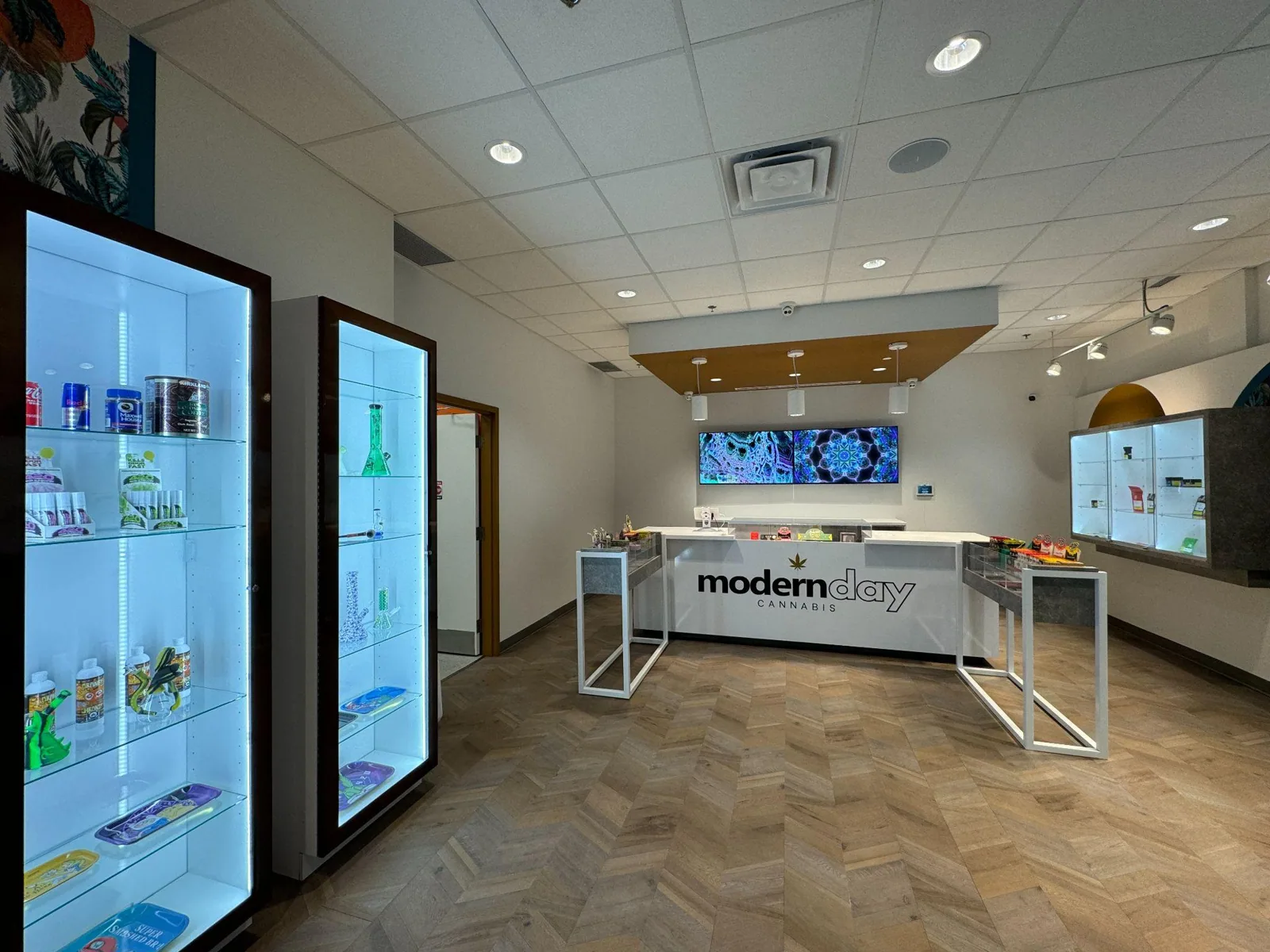
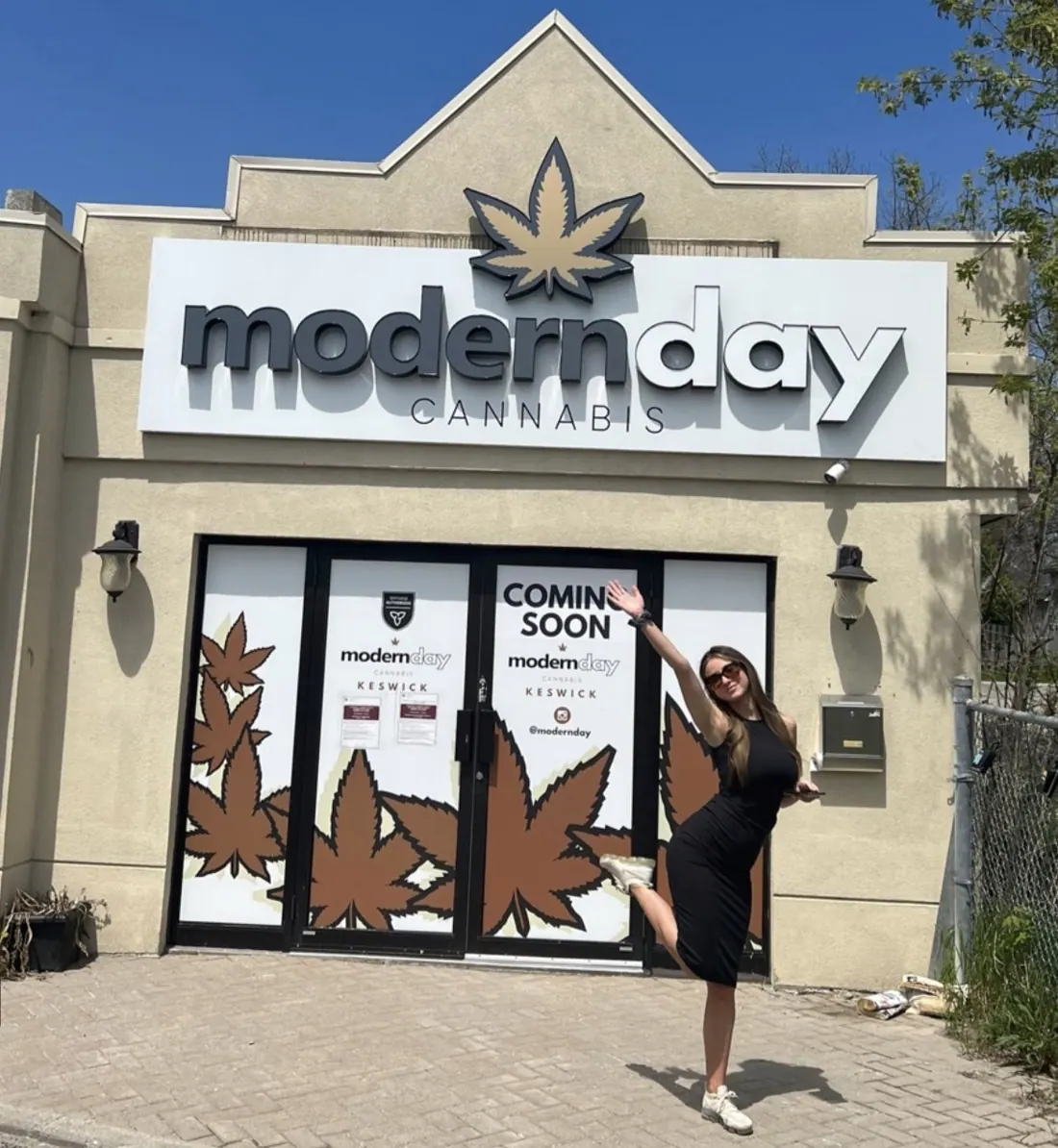
Modern Day Cannabis runs licensed stores and helps other owners open theirs. We have been through these phases ourselves, so we can tell you which ones will be slow in your market and what to line up first. Send the short form with where you want to open and we will give you a realistic view of the path.
General information as of November 2026, not legal or financial advice. Cannabis rules differ by state and province and change often.